
Toxic Algae and Dogs: Lake and Pond Safety Around Raleigh
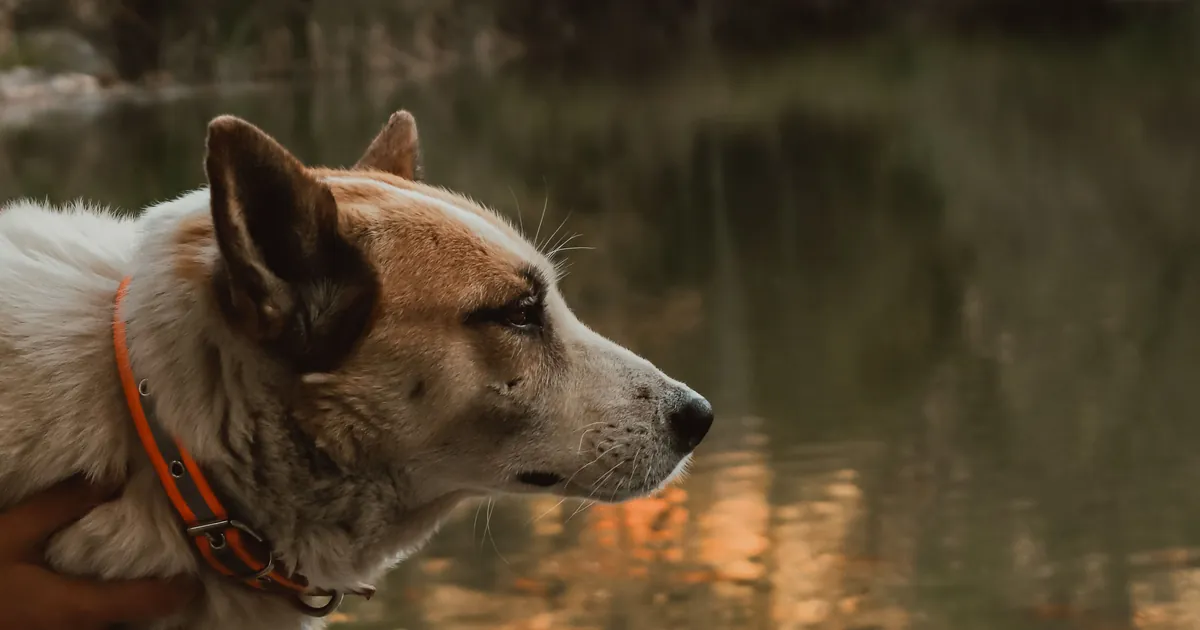
On a hot Triangle afternoon, a lake looks like the perfect place for a water-loving dog. Falls Lake, Jordan Lake and all the neighborhood ponds in between can be wonderful spots for a summer outing.
But in warm weather, some lakes and ponds can grow harmful algal blooms, sometimes called blue-green algae. These blooms can produce toxins that are dangerous for dogs. You don't need to avoid water forever. You just need to know what to look for.
What is a harmful algal bloom?
Cyanobacteria (blue-green algae) are tiny organisms that live naturally in fresh water. When conditions are right, they can multiply quickly into a "bloom." Some blooms produce toxins.
The NC Division of Public Health explains that dogs are especially at risk. They tend to wade and play in the shallows, where blooms can concentrate, and they may drink the water or lick algae off their fur. The state notes that these toxins can be lethal to dogs.
How to spot a possible bloom
You can't tell for sure if a bloom is toxic just by looking at it. That's why the safest rule is the simplest one. According to NC DEQ, blooms can:
- Look like spilled paint on the surface
- Be green, blue, red or brown
- Form scums, mats or foam, often along the shoreline
- Turn milky blue as they break down
If the water is discolored, scummy or smells bad, keep your dog out. As NC Public Health puts it: when in doubt, stay out.
Signs of algae poisoning in dogs
Don't wait to see whether your dog gets sick. The NC DHHS harmful algal bloom flyer lists signs in pets that include:
- Loss of energy or appetite
- Vomiting or diarrhea
- Stumbling
- Foaming at the mouth or drooling
- Tremors or seizures
This is an emergency. NC DEQ's FAQ (sharing NC DHHS guidance) says to seek veterinary care immediately if your pet stumbles, staggers or collapses after being in a pond, lake or river.
What to do if your dog was in questionable water
- Rinse your dog off with plenty of clean water as soon as you can, especially paws, legs and belly. NC DHHS advises washing thoroughly after any contact with a bloom.
- Don't let your dog lick their fur before rinsing. Use a towel and wear gloves if you have them.
- Call your vet and tell them your dog may have been exposed to an algal bloom. If symptoms appear, go straight to the vet or an emergency clinic.
- Report the bloom. NC DEQ takes reports through its online Fish Kill and Algal Bloom reporting survey or through your Division of Water Resources regional office.
Keep a towel, a jug of fresh water and your vet's number in the car during lake season.
Know your nearest emergency vet before lake season
If something goes wrong at the lake, you don't want to be searching for directions with a sick dog in the back seat. Before summer starts:
- Save your vet's number and the number of the closest 24-hour emergency clinic in your phone.
- Look up the emergency clinic nearest the lakes and parks you visit most. It may not be the one closest to home.
- Ask your vet whether there's anything specific they'd like you to do if your dog has contact with questionable water.
A little planning now means you can act quickly if you ever need to.
Smart habits for lake and pond days
- Check before you go. NC DEQ posts information about recent blooms on its algal blooms page. Watch for posted signs at the water's edge too.
- Bring fresh water so your dog isn't tempted to drink from the lake.
- Use a leash near the shore so you can steer your dog away from scummy spots.
- Skip stagnant water. NC DEQ lists warm temperatures and low flow among the conditions that help blooms grow.
- Rinse after every swim, even if the water looked fine.
On our walks
Our walks are always on leash and one household at a time. Every visit includes fresh water and a report card in the app.
Looking for safer summer outings? Our Raleigh dog parks guide and dog activities guide have plenty of ideas. On the hottest days, read our hot weather walking tips. Want a midday walk while you're at work? Learn about our dog walking service.
Frequently asked questions
Can dogs swim in Falls Lake or Jordan Lake?
Dog rules depend on the specific park or swim area, so check posted rules first. Even where dogs are allowed, avoid water that looks discolored, scummy or like spilled paint, and rinse your dog after swimming.
What does toxic algae look like?
NC DEQ says blooms can look like spilled paint and may be green, blue, red or brown, with scums, mats or foam. Decaying blooms can look milky blue. You can't tell if a bloom is toxic by sight, so stay out of suspicious water.
What should I do if my dog seems sick after swimming?
If your dog vomits, stumbles, drools, has tremors or collapses after being in or near water, rinse them off and get to a vet or emergency clinic immediately. Tell the vet your dog may have been exposed to an algal bloom.
How do I report an algal bloom in North Carolina?
Use NC DEQ's online Fish Kill and Algal Bloom reporting survey, or contact your Division of Water Resources regional office.
Ready for a Free Meet & Greet?
Getting started takes a couple of minutes. Sign up and book your free meet & greet.
Questions first? Visit our FAQs, call or text (984) 212-2524, or email hoomanondemand@gmail.com.
Sources
- NC DEQ: FAQ on Cyanobacterial (Blue-Green Algae) Blooms
- NC DEQ: Algal Blooms
- NC Division of Public Health: Harmful Algal Blooms
- NC DHHS: Harmful Algal Bloom flyer (PDF)
Sources were checked in October 2026. Local rules, hours and events can change, so please check the linked sources for updates.