Thanksgiving Foods Dogs Can and Can't Eat: A Raleigh Pet Parent's Guide
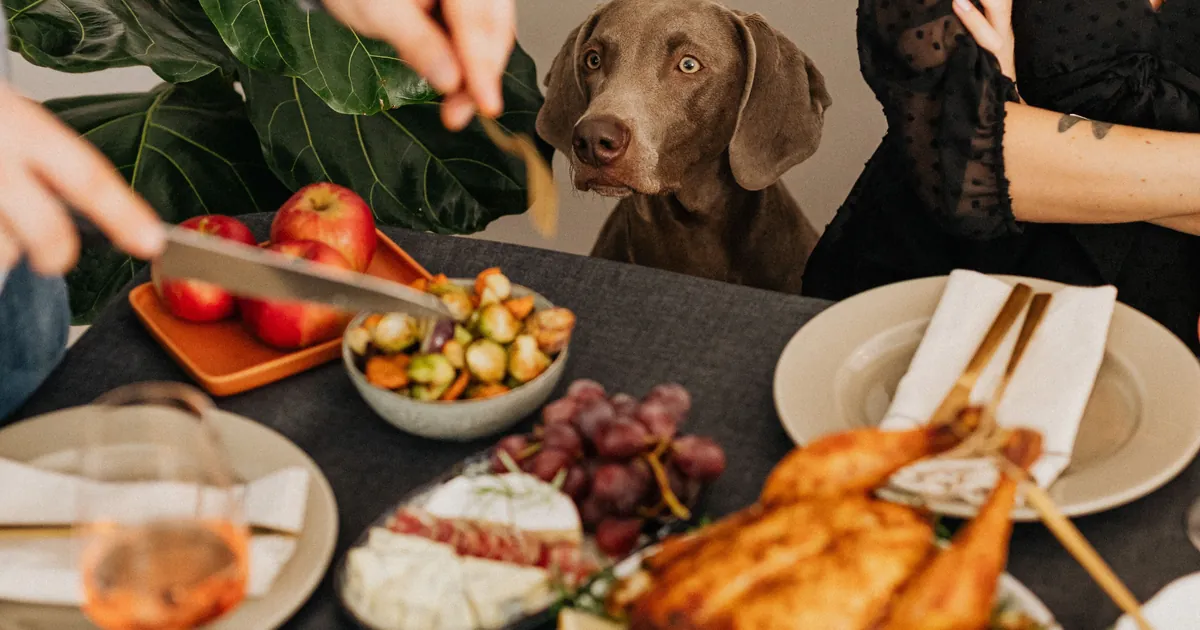
Thanksgiving is a big day for food, family and, let's be honest, a lot of very hopeful puppy eyes under the table.
It's natural to want to share. Some holiday foods are fine for dogs in small amounts, but others can cause real problems. Here's a simple guide so everyone in the family, furry members included, has a happy holiday.
Thanksgiving foods that are generally OK (in small amounts)
The AVMA says a little plain turkey can be OK for pets. The key words are small, plain and cooked. Always check with your vet first, especially if your dog has a sensitive stomach or a health condition.
Plain turkey meat
A small piece of boneless, skinless, fully cooked turkey is generally fine. Skip the skin, the gravy and anything rich or fatty.
Plain pumpkin
The AVMA says small pieces of plain pumpkin are OK. That's plain cooked pumpkin, not pumpkin pie or pie filling, which contain sugar and spices. (Our fall safety tips talk about pumpkin too.)
A better idea: your dog's own treats
Honestly, the safest Thanksgiving treat is one made for dogs. Set aside a few of your pup's favorite treats or stuff a food toy so they feel included without upsetting their stomach.
Thanksgiving foods to keep away from dogs
Here's what the AVMA recommends keeping off your dog's plate:
- Turkey skin, fat, gravy and drippings. Rich, fatty foods can cause pancreatitis, a painful and serious condition.
- Bones. Turkey bones can splinter and cause choking or blockages.
- Stuffing and dressing. These are often rich and fatty and can contain onions or raisins.
- Onions and anything made with them.
- Grapes and raisins.
- Chocolate, including chocolate desserts.
- Anything sweetened with xylitol. This sugar substitute can show up in baked goods, candy and sugar-free products.
- Raw yeast dough. Unbaked bread or roll dough can cause serious problems if swallowed.
- Pumpkin pie and other desserts.
Don't forget the trash and the table
A lot of Thanksgiving trouble happens when nobody's looking. The AVMA suggests:
- Secure the trash, especially the turkey carcass and bones.
- Watch the counters. Tall dogs are great at "counter surfing."
- Keep decorations out of reach. Corn cobs, pine cones and decorative gourds can cause blockages if chewed and swallowed.
- Watch the centerpiece. The AVMA names amaryllis, baby's breath, sweet William, some ferns and hydrangeas as plants that can be harmful to pets.
Make a plan for guests
A house full of people, noise and open doors can be a lot for a dog. The AVMA recommends:
- A quiet room. Give nervous pets a calm space with their bed, water and a toy.
- Watch the exits. Ask guests to keep doors closed so no one slips out.
- Check ID tags and microchip info in case your dog does get out.
- Have a word with the kids. Let young guests know the dog shouldn't get people food.
Burn off some energy first
A tired dog is a calm dog. A good walk before guests arrive helps a lot. If your day is packed with cooking, a midday walk from your walker can make the whole day calmer. Our dog walking service runs 7 AM to 9 PM.
Looking for a fun way to spend the long weekend? Check out our dog activities guide.
If your dog eats something they shouldn't
Don't wait and see. Call your veterinarian, your nearest emergency vet, or the ASPCA Animal Poison Control Center at (888) 426-4435 (a consultation fee may apply). The AVMA's holiday safety page also lists the Pet Poison Helpline at (855) 764-7661 (a fee may apply). It's a good idea to know where your closest 24-hour emergency vet is before the holiday.
Signs your dog may have eaten something they shouldn't
The AVMA's holiday safety page lists warning signs including sudden behavior changes, depression, pain, loss of appetite, vomiting or diarrhea. If you notice any of them, call your vet or an emergency clinic right away.
Leftovers week
The risks don't end Thursday night. Turkey sandwiches, leftover pie and a trash can full of scraps tend to stick around for days. Keep leftovers in closed containers on high shelves, take the trash out promptly, and remind everyone in the house that the "no people food" rule still applies through the weekend.
Traveling for Thanksgiving?
If you're heading out of town, our pet sitting visits keep your pets at home on their usual routine, with photos and a report card after every visit. Our holiday pet sitter checklist covers what to leave for your sitter.
Frequently asked questions
Can dogs eat turkey on Thanksgiving?
A small amount of plain, boneless, skinless, fully cooked turkey is generally OK, according to the AVMA. Skip the skin, gravy, fat and bones.
Can dogs eat pumpkin?
Small pieces of plain pumpkin are OK, per the AVMA. Pumpkin pie and pie filling are not.
Is stuffing safe for dogs?
No. Stuffing is usually rich and fatty and can contain onions or raisins, all of which the AVMA warns against.
What should I do if my dog ate a turkey bone?
Call your veterinarian right away. Bones can cause choking or blockages, so your vet can tell you what to watch for and whether your dog needs to be seen.
Who do I call if my dog eats something toxic on a holiday?
Call your vet, an emergency vet, or the ASPCA Animal Poison Control Center at (888) 426-4435. A consultation fee may apply.
Ready for a Free Meet & Greet?
Getting started takes a couple of minutes. Sign up and book your free meet & greet.
Questions first? Visit our FAQs, call or text (984) 212-2524, or email hoomanondemand@gmail.com.
Sources
Sources were checked in October 2026. Local rules, hours and events can change, so please check the linked sources for updates.