
Deck the Halls, Not the Dog: Holiday Decorations That Can Hurt Pets
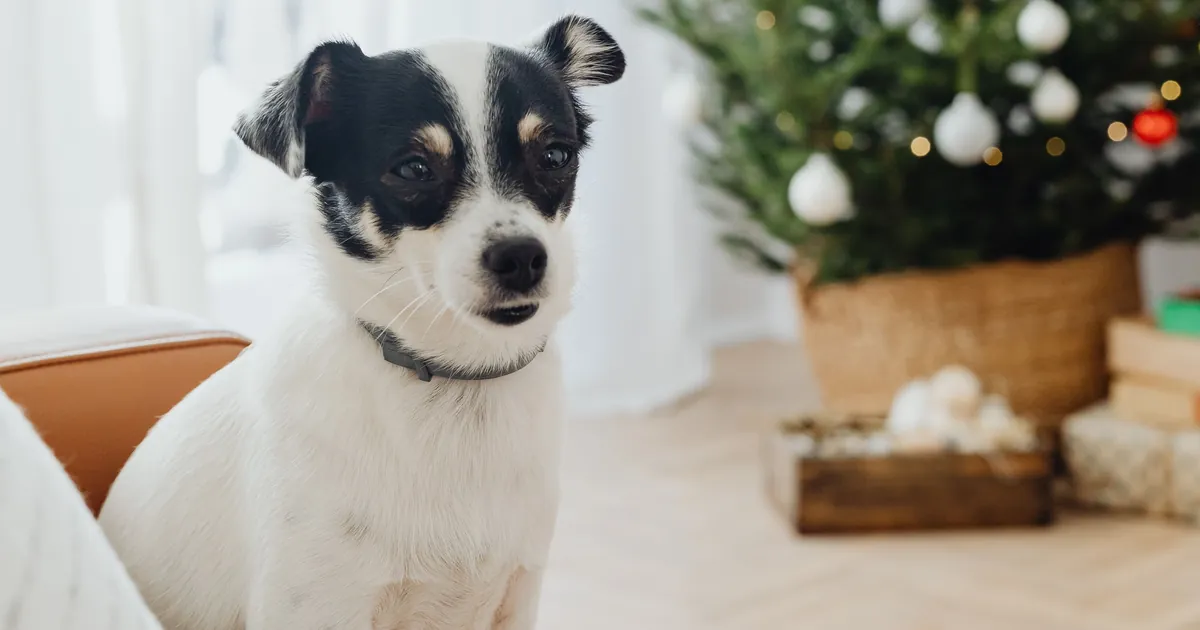
There's nothing like the first night the tree lights go on. To a curious dog, though, that tree is a brand-new indoor stick with shiny toys hanging off it.
You don't have to skip the decorations. A few smart choices let you enjoy the season while keeping your pets safe. Here's what to watch for, room by room.
The tree
The AVMA's holiday pet safety guide offers a few simple steps for a pet-friendly tree:
Keep it steady
- Anchor your tree so it can't tip over if a dog bumps it or a cat climbs it. The AVMA suggests tying it to the ceiling or a door frame with fishing line.
- Choose a sturdy stand and place the tree away from furniture your pet could use as a launch pad.
Watch the tree water
- Skip additives in the tree stand water. The AVMA says tree-water additives can be hazardous if pets swallow them, so it's best to add nothing if you have pets.
- Cover the stand with a tree skirt or barrier so your dog can't drink from it.
Ornaments and tinsel
- Hang ornaments up high, out of tail-wagging and nose reach. The AVMA notes breakable ornaments can cause injuries and swallowed ones can cause blockages.
- Skip the tinsel. The AVMA warns that tinsel, ribbons and other decorative materials can cause choking or intestinal blockage if swallowed.
- Keep food-based ornaments out of reach, including salt-dough ones, as the AVMA recommends. Or skip them altogether.
Lights, cords and candles
- Tuck cords away. The AVMA warns that pets who chew electrical cords can get burned. Run cords along walls, use cord covers, and keep extension cords out of reach.
- Unplug decorations when you leave the house or go to bed.
- Be careful with candles. The AVMA says never to leave a pet alone in a room with a lit candle or oil lamp. Flameless candles are a great swap.
- Watch the potpourri. The AVMA notes liquid potpourri contains essential oils and other ingredients that can damage a pet's mouth, eyes and skin.
Holiday plants
Festive plants are beautiful, but some can upset your pet's stomach or worse. The AVMA lists these holiday plants to keep away from pets:
- Poinsettias
- Mistletoe
- Holly
- Amaryllis
- Balsam, pine and cedar
Artificial versions are a worry-free option. If you keep real plants, put them well out of reach. For a full list of plants that are toxic to pets, the ASPCA Animal Poison Control Center is a great resource.
Gifts and wrapping
- Keep food gifts off the floor. A wrapped box of chocolates under the tree is a temptation. The AVMA warns chocolate and anything sweetened with xylitol are dangerous for pets.
- Clean up ribbons, bows and packaging after gift opening. The AVMA singles out sparkly ribbon as something pets may play with or eat.
Holiday treats and parties
Parties mean extra food, open doors and a lot of excitement. The AVMA recommends:
- Keep people food away from pets, especially chocolate, xylitol, grapes, raisins, onions, fatty scraps, bones and yeast dough.
- Secure the trash.
- Give your pet a quiet room with water, a bed and a toy if they get overwhelmed by guests.
- Watch the exits and make sure ID tags and microchip info are up to date.
For more cold-weather safety tips, read our post on 7 winter hazards for pets.
Guests bringing their pets?
Holiday visits sometimes come with extra four-legged guests. The AVMA suggests that if you don't know how the pets will get along, you can politely decline, or plan to spend time helping them get to know each other. Supervise their time together, watch for signs of trouble and step in early to prevent injuries to pets or people.
Keep food bowls, toys and treats picked up while visiting pets are around, since those can spark squabbles.
Signs your pet got into something
The AVMA lists warning signs that a pet may have eaten something they shouldn't, including sudden behavior changes, depression, pain, loss of appetite, vomiting or diarrhea. If you see these, call your vet or an emergency clinic right away.
Know who to call
Before the holidays, look up your closest 24-hour emergency vet. Keep these numbers handy too:
- ASPCA Animal Poison Control Center: (888) 426-4435 (a consultation fee may apply)
- Pet Poison Helpline: (855) 764-7661 (a fee may apply)
Both are listed in the AVMA's holiday safety guide.
Traveling this season?
If you're heading out of town, our pet sitting visits keep your pets at home on their normal routine. Our sitters also care for cats, which is great news if you have a tree-climbing kitty. See our cat sitting page. Busy with shopping and parties at home? A midday walk from our dog walking team helps your pup burn off some of that holiday energy.
Frequently asked questions
Are Christmas trees dangerous for dogs?
The tree itself isn't usually the main issue. The AVMA's concerns include trees tipping over, tree-water additives, and ornaments, tinsel or cords that pets can chew or swallow.
Are poinsettias toxic to dogs?
The AVMA lists poinsettias among holiday plants to keep away from pets, along with mistletoe, holly, amaryllis, balsam, pine and cedar.
Is tinsel bad for dogs?
Yes. The AVMA warns tinsel and ribbons can cause choking or intestinal blockage if swallowed.
How do I keep my dog out of the Christmas tree?
Anchor the tree, hang tempting ornaments up high, skip edible decorations, cover the stand and block access with a gate when you can't supervise.
What should I do if my dog eats a holiday plant or ornament?
Call your vet, an emergency vet or the ASPCA Animal Poison Control Center at (888) 426-4435. A consultation fee may apply.
Ready for a Free Meet & Greet?
Getting started takes a couple of minutes. Sign up and book your free meet & greet.
Questions first? Visit our FAQs, call or text (984) 212-2524, or email hoomanondemand@gmail.com.
Sources
Sources were checked in October 2026. Local rules, hours and events can change, so please check the linked sources for updates.