Fourth of July Fireworks and Your Dog: A Calm-Night Plan for Raleigh
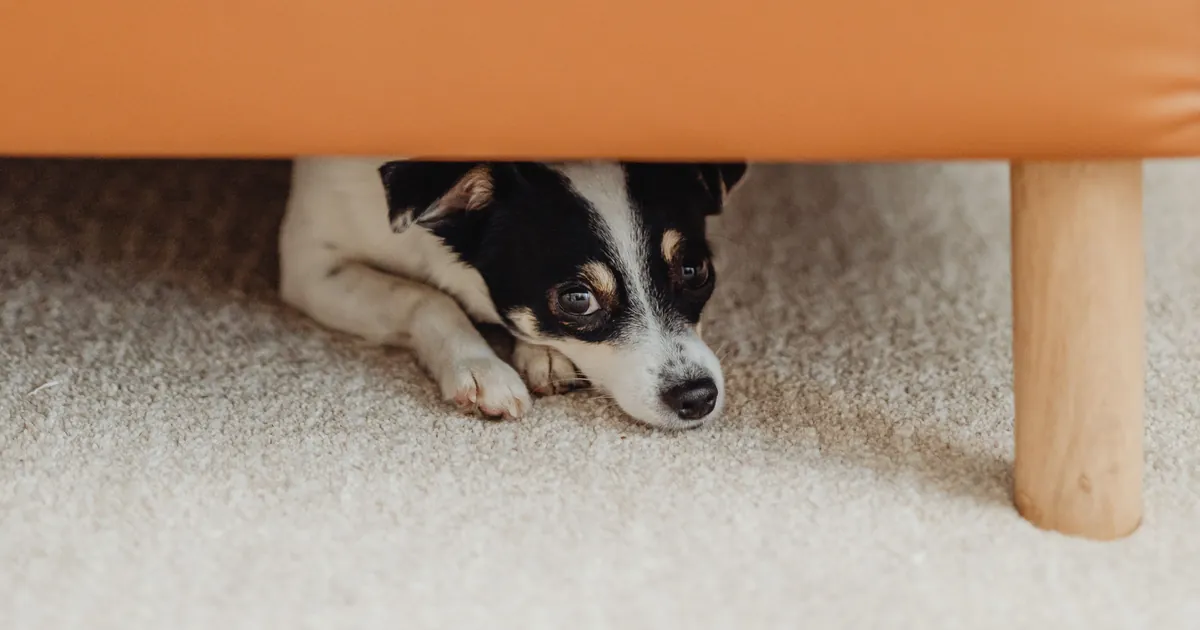
We love a Raleigh summer night. But for a lot of dogs, the Fourth of July is the scariest night of the year. Booms, whistles and flashes can come from every direction, and neighborhood fireworks don't always stick to one evening.
A little planning makes a big difference. Here's our calm-night plan, based on advice from the AVMA, ASPCA and American Kennel Club.
Signs your dog is stressed by fireworks
The American Kennel Club lists common signs of fireworks fear, including:
- Trembling or shaking
- Pacing or restlessness
- Hiding
- Panting
- Trying to escape
Some dogs only get a little clingy. Others panic. Knowing your dog's usual reaction helps you plan.
Before the Fourth: get ready
Update ID and microchip info
The AVMA recommends making sure your pet's ID tags are current and your microchip registration has your up-to-date phone number. Take a fresh photo of your dog too, just in case.
Talk to your vet early
If your dog has a hard time with loud noises, don't wait until July 3. The AVMA notes that your veterinarian can talk with you about behavior strategies and, if appropriate, medication. The ASPCA adds a smart tip: if your vet prescribes something, do a practice run on a quiet day so you know how your dog responds.
Try a little noise practice
AKC suggests desensitization: play fireworks sounds at a very low volume while giving treats, and turn it up gradually over days or weeks. Keep the volume low enough that your dog stays relaxed. A trainer can help if your dog is very sensitive.
Check the yard and gear
The AVMA recommends making sure your yard is secure. AKC suggests checking that your dog's harness fits snugly before the big night.
On the big night: keep it calm
Walk before dark
AKC recommends getting your dog's walk and potty break done before sunset, on a secure leash. Use a harness if your dog might try to back out of a collar. Tired, relaxed dogs often handle the evening better.
We offer visits from 7 AM to 9 PM, so an earlier evening walk is easy to schedule around the holiday.
Leave your dog at home
The AVMA advises leaving pets home rather than bringing them to parties or fireworks displays. Even calm dogs can panic in a crowd when the show starts.
Set up a safe space
AKC and the ASPCA both recommend a quiet spot away from windows. An interior room works well, and so does a crate if that's where your dog already feels safe. Add their bed, a favorite toy and a long-lasting chew or stuffed food toy.
Add some background noise
Soft music, a TV, white noise or a fan can help mask the booms, per AKC and the ASPCA. Closing the blinds helps with the flashes.
It's OK to comfort your dog
AKC says you can comfort a scared dog with calm, slow petting and a relaxed voice. You won't "reward" the fear. Some dogs also like a snug anxiety wrap or a fitted T-shirt, which the ASPCA mentions as an option.
Prevent escapes
Fireworks night is a time when pets slip out. The AVMA suggests an escape-proof room or crate and asking guests to watch the doors. A few extra steps:
- Keep your dog leashed for every potty break, even in a fenced yard.
- Put a sign on the door asking guests to keep it closed.
- Keep gates latched and check fences for gaps.
Keep holiday hazards out of reach
The ASPCA and AVMA flag several July 4th hazards:
- Fireworks (used or unused), sparklers and glow sticks
- Matches, lighter fluid, citronella candles and tiki torch oil
- Charcoal and kabob skewers from the grill
- Alcoholic drinks
- Human sunscreen and bug spray with DEET (don't use them on pets unless your vet OKs a product)
The AVMA also reminds us that heat and humidity can be dangerous, and pets should never be left in parked cars. Our hot weather walking guide has more summer tips.
If you think your dog ate something harmful, call your vet or the ASPCA Animal Poison Control Center at (888) 426-4435. A consultation fee may apply.
The morning after
The AVMA recommends walking the yard the next morning to pick up fireworks debris before your dog finds it. If you see trash from neighbors' fireworks along your walking route, steer around it.
Traveling for the holiday?
The AVMA suggests a pet sitter if you'll be away. Our pet sitting visits keep your dog at home in a familiar place, with photos and a report card after every visit. Already planning ahead? See what to look for in a pet sitter.
Frequently asked questions
How can I calm my dog during fireworks?
Walk before dark, set up a quiet room away from windows, play music or white noise, offer a chew toy and stay calm. For severe fear, ask your vet about behavior strategies or medication.
Is it OK to comfort a dog scared of fireworks?
Yes. AKC says calm, slow petting and a relaxed voice are fine and won't reinforce the fear.
Should I bring my dog to a fireworks show?
The AVMA recommends leaving pets at home, in a secure room or crate, rather than bringing them to parties or displays.
What if my dog eats fireworks or a glow stick?
Call your veterinarian or the ASPCA Animal Poison Control Center at (888) 426-4435 right away. A consultation fee may apply.
Ready for a Free Meet & Greet?
Getting started takes a couple of minutes. Sign up and book your free meet & greet.
Questions first? Visit our FAQs, call or text (984) 212-2524, or email hoomanondemand@gmail.com.
Sources
- AVMA: July 4 Safety
- ASPCA: Fourth of July Safety Tips
- American Kennel Club: How to Keep Your Dog Calm During Fireworks
- ASPCA Animal Poison Control
Sources were checked in October 2026. Local rules, hours and events can change, so please check the linked sources for updates.